

We all need people in our lives. Connection, friendship, and a sense of belonging aren’t just nice-to-haves; they’re fundamental to our well-being. Yet for many people living with a disability, building and maintaining these connections can come with unique challenges. Whether it’s finding the confidence to start a conversation, managing overwhelming feelings in social settings, or simply knowing how to navigate the unwritten rules of social interaction, these barriers can sometimes lead to feelings of isolation.
The statistics paint a sobering picture of just how widespread this issue is. In any given year, one in ten people in Australia will experience a period of loneliness. For people with a disability, this experience can be even more pronounced. People with a disability may be at a higher risk of developing mental health conditions like anxiety or depression, with social isolation being a significant contributing factor. These challenges are real, and they affect people in profound ways.
The good news? The NDIS recognises that meaningful relationships are worth investing in. That’s exactly what ‘Improved Relationships’ funding is designed to support, helping you build the skills, confidence, and strategies you need to connect with your community in ways that work for you.
If you’ve been wondering what this funding actually covers, how it could help you or someone you care for, or how to make the most of it, you’re in the right place. Let’s explore this together.
What ‘Improved Relationships’ support actually is
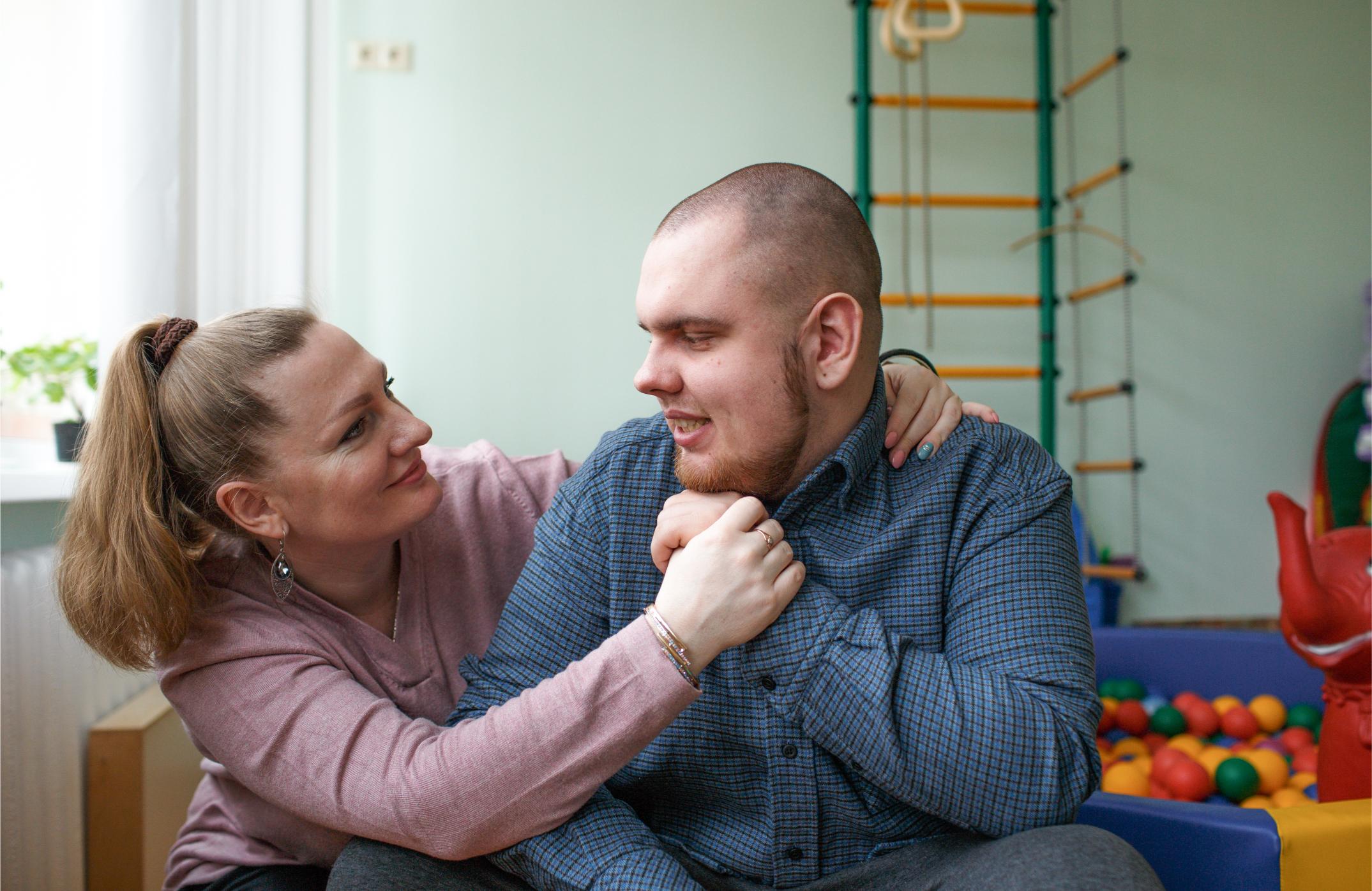
‘Improved Relationships’ is a type of capacity building support, which essentially means it’s an investment in your future. Rather than covering day-to-day costs, capacity building supports are designed to fund supports that help you build your independence and skills for the future.
This funding is designed to support people with disability to build stronger, healthier connections with others. It helps develop social skills, communication and confidence so you can become more independent.
Improved Relationships supports have two pathways. One focuses on understanding and addressing behaviours of concern through specialist support. The other focuses on developing social skills, such as reading facial expressions, starting conversations or feeling more comfortable in group settings. Both pathways ultimately lead to the same destination: stronger, more meaningful connections with the people and communities around you.
Difference in categories between PACE and legacy plans
With the introduction of PACE plans, the structure of the Improved Relationships funding changed.
Legacy plans still have one category, called ‘Improved Relationships’, that covers both social skills development and behavioural support interventions, a single bucket for related supports.
PACE plans separate these into two categories:
- Relationships: Specifically for building social skills, communication and relationship building.
- Behaviour Support: Dedicated to specialist interventions and behaviour support plans.
Improved Relationships and Relationships supports are usually listed as stated supports. This means the funding can only be used for the specific purpose stated in your plan; it cannot be used flexibly across other budgets. If you need support in both areas under a PACE plan, you will need to request funding for both Relationships and Behaviour Support during your planning meeting.
Understanding how different types of NDIS funding work can help you plan more effectively and make sure you’re getting the support you genuinely need.
What this funding can help you with

Now let’s get practical and talk about what this support actually looks like in everyday life. Whether you’re on a legacy plan or a PACE plan, the supports available are designed with one clear purpose: to help you feel more confident, connected and included.
Building your social confidence and skills
Building social skills is all about helping you feel more confident, connected and included in social settings. The beauty of this support stream is that it recognises everyone’s journey is different, and what you need will be unique to your situation. Here are some of the ways this funding can be used:
Learning communication skills: Working with a therapist or coach to understand how to communicate more clearly, read social cues, or navigate tricky social situations. This might include recognising when someone’s uncomfortable, understanding tone of voice, or picking up on body language and facial expressions.
Practising in safe environments: Sometimes the best way to build confidence is through practice in low-pressure settings. You might work with a support worker to role- play conversations, learn how to ask questions, or find ways to express your feelings that feel natural to you. This safe space allows you to make mistakes and learn without the anxiety of real-world consequences.
Joining group programs: Structured social skills groups or community classes (like art, drama, or cooking) provide supportive environments where you can try out new skills with others who understand what you’re going through. These settings let you practise taking turns in conversation, resolving disagreements, and simply being part of a group, all essential building blocks for social connection.
Building confidence step-by-step: You might work with a support worker to build confidence step-by-step, starting with short meet-ups and progressing to a regular class or group. This graduated approach recognises that jumping into the deep end isn’t for everyone. There’s no pressure to rush; small, gradual steps often lead to the most sustainable progress and lasting confidence.
Peer support and mentoring: Often you can learn best from people who have similar experiences to you. Peer support groups offer a sense of belonging and mutual understanding in a safe, friendly environment where you can learn from each other’s journeys and realise you’re not alone in your challenges.
Understanding and managing behaviours of concern
This pathway focuses on understanding the reasons behind behaviours of concern and developing evidence-based strategies to address them. Behaviour support is a complex and specialised area of the NDIS, which is why it requires practitioners with specific training. Like all NDIS supports, behaviour support should be tailored to your individual needs and may include:
Functional Behaviour Assessments: A specialist practitioner conducts a detailed assessment to understand what’s triggering certain behaviours. They work to identify patterns, environmental factors, or unmet needs that might be driving the behaviour. Understanding the “why” is the first step to creating meaningful change.
Behaviour Support Plans: Based on the assessment, a qualified practitioner develops a written plan. The plan is made up of strategies to improve overall quality of life and manage challenging situations, called positive behaviour support strategies. The focus of positive behaviour support is always on improving wellbeing while reducing any need for restrictive practices, working with you, not against you.
Specialist intervention: For particularly complex or persistent behaviours, you might work directly with a behavioural psychologist or other specialist who provides intensive, targeted support tailored to your specific situation.
Training for your support team: A behaviour support plan works best when all supports understand the strategies in the plan. NDIS funding can cover training for family members, carers, and support workers so they can consistently implement the strategies in your plan across all environments.
A quick but important note: behaviour support is highly specialised, and a behaviour support practitioner should only be engaged to complete a behaviour assessment after the relevant funding has been approved and included in your NDIS Plan. This ensures the process follows the proper pathway and protects both you and the practitioner.
How these supports make a real difference
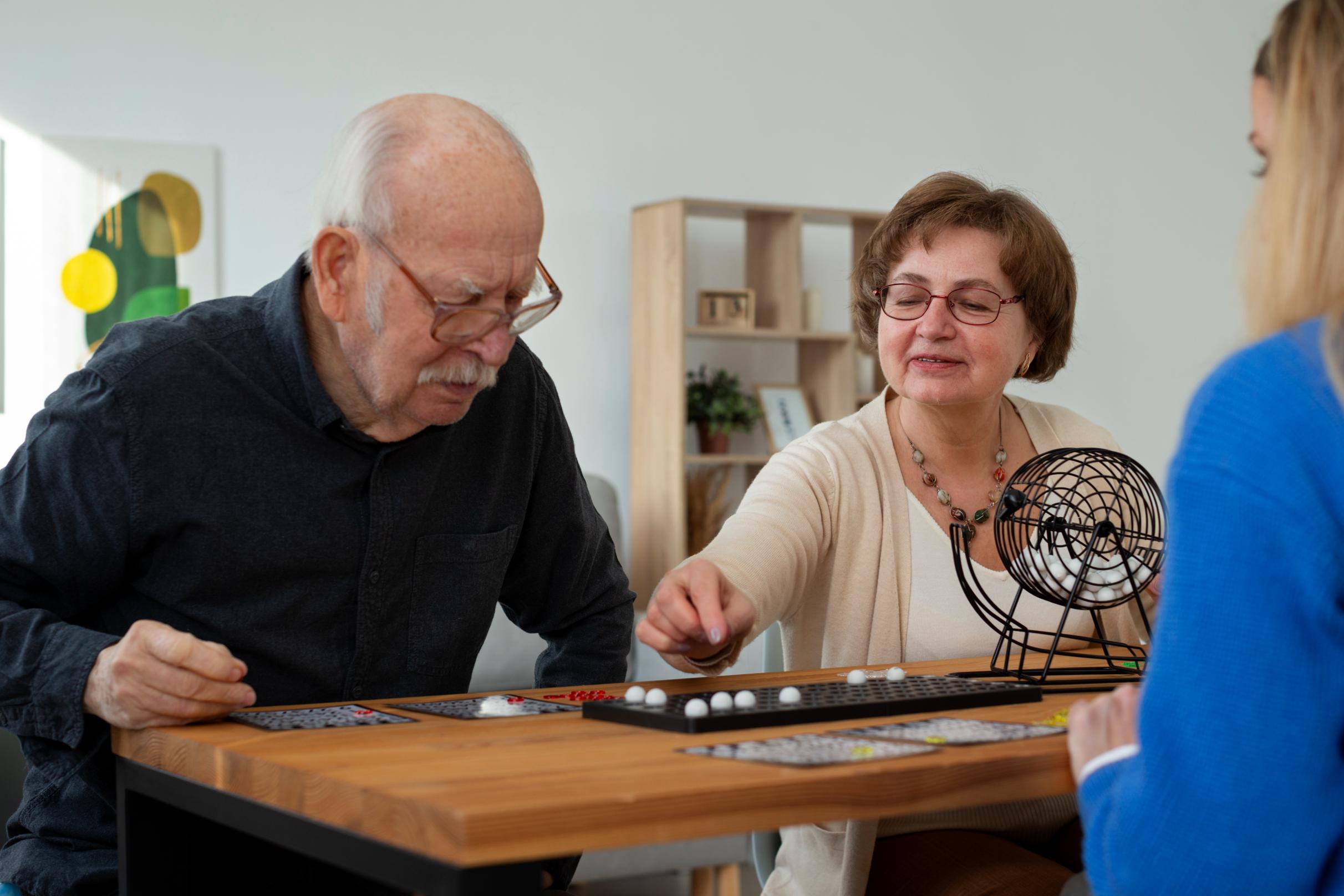
Now let’s talk about what this funding looks like in your life, when the right support is in place.
Imagine someone who feels overwhelmed in crowded places. Shopping centres, community events and even family gatherings can feel impossible to navigate. Through behaviour support, they work with their team to identify specific triggers, such as fluorescent lighting, unexpected sounds or being close to strangers. Together, they develop practical strategies: visiting during quieter times, using noise-cancelling headphones, planning an exit route and recognising the early warning signs that they need a break. Over time, a community event or trip to the shops can shift from impossible to manageable. It is not about fixing the person; it is about developing strategies that work with their needs.
Or consider someone who wants to join a local book club but social anxiety is stopping them from going. Walking into a room full of strangers can feel like climbing a mountain without equipment. Through social skills support, they learn practical techniques, including how to introduce themselves, ask open-ended questions and manage the physical symptoms of anxiety. They practise in safe environments first and gradually build their confidence. Six months later, they are not only attending the book club but also making genuine friendships and experiencing the sense of belonging they had been missing. The transformation is not overnight, but it is profound.
| Person A | Person B | |
|---|---|---|
| Before NDIS support | Overwhelmed in crowded places. Shopping centres and community events are impossible to attend. | Wants to join a book club, but way too anxious to speak to strangers and sign up. |
| Using Improved Relationships funding | Identify triggers, e.g. bright lights, unexpected sounds or lots of people. Make a plan to visit shops at quieter times or use noise-cancelling headphones. |
Using social skills support, learn practical techniques like how to introduce yourself, ask open-ended questions and continue to practise over time. |
| Outcome | Over time, a trip to the shops or attending an event becomes manageable. | After 6 months of practise, enough confidence is gained to join the book club and build genuine friendships. |
When improved relationships funding is used, it can help to break down the disability-related barriers to connection. It’s about ensuring everyone has the opportunity to experience belonging, friendship, and community.
Why life transitions matter for this support

Life changes such as leaving school, starting a new job or moving out of home can be exciting, but they can also intensify social and behavioural challenges in ways you might not expect. Improved Relationships supports can be especially helpful during these life stages.
Having the confidence to introduce yourself to new colleagues, the ability to manage anxiety in an unfamiliar living situation, or the skills to advocate for your needs in a new environment, are all skills you can gain from improved relationships supports. They’re often the difference between thriving in a new chapter of life or feeling overwhelmed and isolated by it.
Improved Relationships funding should be considered alongside each of your NDIS plan goals. It can provide a foundation for other goals in your plan, whether that means finding and keeping employment, improving your living arrangements or continuing your education. Social skills and emotional regulation are building blocks that can make those larger life goals more achievable. For example, you may have funding for job training, but maintaining employment can be much harder without the social confidence to interact with colleagues.
Your support team: the people who help it all work
We know the NDIS can feel complex, especially when you are also working on building social skills or managing behaviours of concern. With multiple funding categories, rules about how each budget can be used and an ever-changing landscape of reforms, there is a lot to keep track of. Luckily, you do not have to figure it all out alone. Support Coordinators and Plan Managers are available to help you.
How your Support Coordinator guides you through
If you have funding for support coordination included in your plan, a Support Coordinator’s role is to help you understand and use your plan effectively.
When it comes to the improved relationships category in your plan, they can help you find the right specialists. Not all psychologists have experience with behaviour support. Not all social skills programs suit every person or every situation. Your Support Coordinator knows the local provider landscape, who has availability, who specialises in what, and who has a track record of delivering quality support. This insider knowledge can save you months of searching and false starts.
Once you’ve found the right providers, your Support Coordinator becomes a central point of contact, making sure everyone’s working together towards your goals. If you have a Behaviour Support Plan, they’ll help coordinate communication between your psychologist, your family, your support workers, and any other providers to ensure the strategies are being implemented consistently. This coordination is what turns a plan on paper into positive changes in your life.
They also focus on building your own capacity over time. A good Support Coordinator doesn’t just do things for you; they work alongside you to help you understand your plan, make informed choices, and gradually develop the skills to coordinate your own supports. The goal is always to grow your independence and confidence in managing your own NDIS journey.
How your Plan Manager handles the financial side
While your Support Coordinator focuses on connecting you with services, your Plan Manager handles the financial aspects of your NDIS plan if you choose plan management.
They’re responsible for receiving invoices from your providers, whether that’s your behavioural psychologist, social skills group, or therapy sessions, and ensuring they’re paid promptly from the correct budget category. Given that Capacity Building funds can’t be moved between categories, this accuracy really matters. One mistake could mean an invoice being rejected or, worse, funding being depleted from the wrong category.
But here’s one of the biggest advantages that often surprises people: provider choice. If your plan is agency-managed (managed directly by the NDIA), you can only use NDIS-registered providers. With plan management, you can access both registered and non-registered providers, as long as it is not for a support that the NDIA says must be delivered by a registered provider.
This flexibility can be valuable when choosing some social or relationship-building supports, because plan management may allow you to use a suitable provider who is not NDIS-registered. However, some supports must be delivered by registered providers. Specialist behaviour support, including behaviour support assessments and behaviour support plans, must be delivered through a registered specialist behaviour support provider using a suitable NDIS behaviour support practitioner.
Plan managers assess invoices, submit valid claims and pay providers. The NDIA says plan managers should pay providers or reimburse participants within two business days of receiving the relevant NDIS payment. Before this can happen, claims may need to be checked or reviewed. Although processing times can vary, the NDIA generally pays valid claims within two to three business days.
Making the most of your support
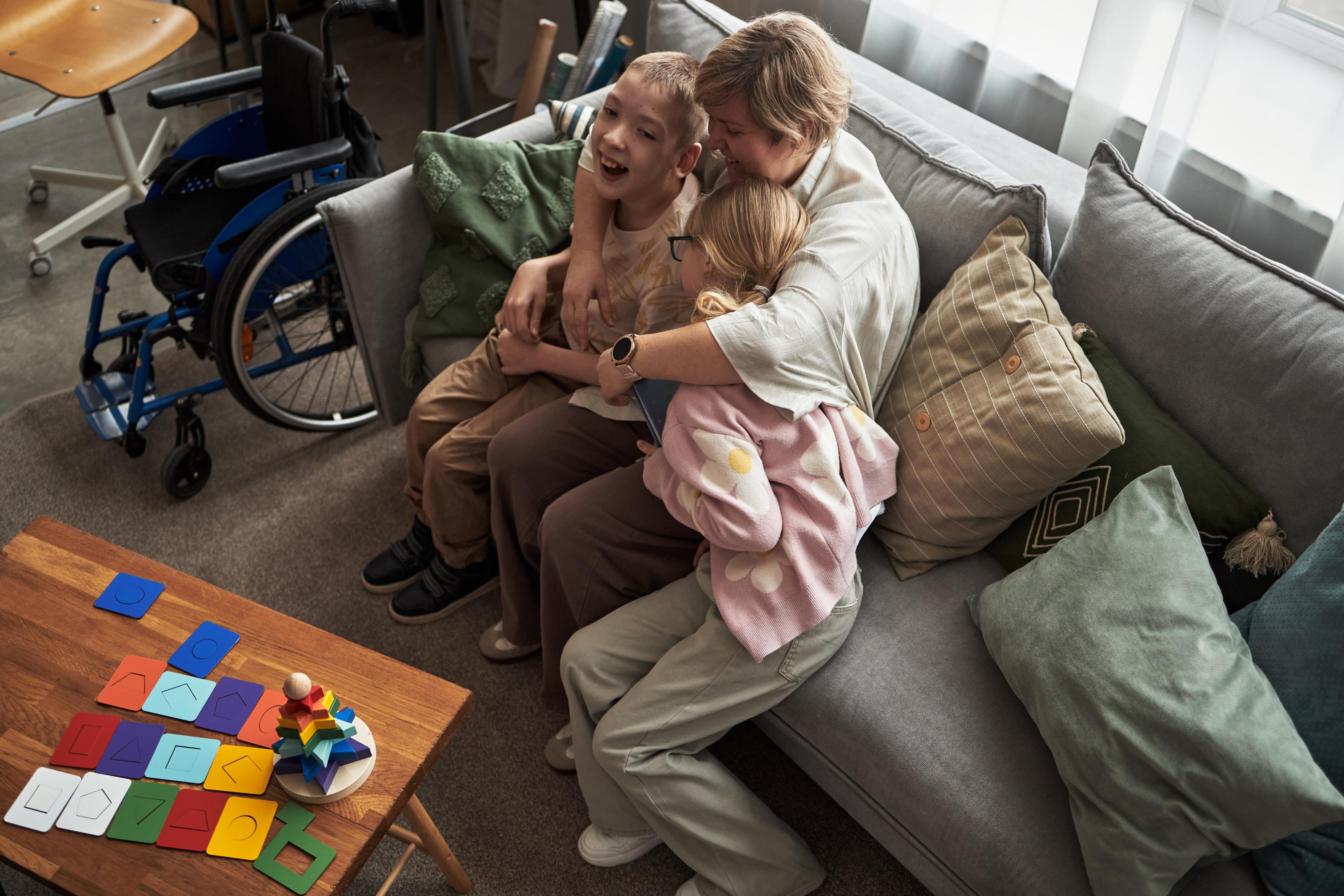
Let’s finish with some practical strategies to help you get the most out of this funding and achieve your goals.
Be clear on what you want to achieve: Before your planning meeting, spend some time thinking about what you actually want to achieve, not what you think you should want, but what would genuinely make a difference to your life. Make your goals specific and measurable. Instead of “I want to be more social,” try “I want to join a local gardening club and attend twice a month for the next six months.” The more specific you are, the easier it is to identify the right supports and justify the funding you need to the NDIA.
Talk to your Support Coordinator early: If you have a Support Coordinator, we suggest reaching out to them as soon as possible so they can help to connect you with suitable supports for achieving your goals.
Prepare for your NDIS plan meeting: If you’re requesting improved relationships within your NDIS funding, having documentation can improve your likelihood of receiving the funding. Reports from therapists, GPs, or other health professionals who [BW2] speak to your social skills needs or behaviours of concern can be helpful. These provide evidence that the support is reasonable and necessary, the key criteria all NDIS funding must meet.
If you are moving to a PACE plan, remember that Improved Relationships funding is split between social skills and behaviour support. If you need support in both areas, mention both during your planning meeting so each can be considered for inclusion in your plan. Do not assume that one category will cover both or that the planner will automatically know you need both. The split means you need to be clear about your needs in each area.
Read your Behaviour Support Plan: It is important to understand the strategies in your Behaviour Support Plan and ensure everyone in your support network reads and understands them too. Consistency is what makes behaviour support effective, so everyone should use the same strategies to support progress.
Start small and be patient with yourself: Building social skills and managing behaviours is gradual work that unfolds over time. You’re not going to go from avoiding all social situations to hosting dinner parties overnight, and that’s completely okay. Start with small, achievable steps that feel manageable. Attending your first group session? That’s genuinely worth celebrating. Having one conversation at the community centre? That’s real progress. These small wins build confidence over time and can eventually lead to bigger achievements.
Understanding what this funding doesn’t cover
It can be helpful to understand what is not included in this.
The NDIS does not fund:
- Entry fees or tickets to concerts, movies, or sports matches
- Membership fees for clubs or gyms
- The cost of meals at cafés or restaurants
- Standard equipment that any participant in an activity would be expected to have
The NDIS only funds the disability-related support you need to participate in activities, not the activities themselves. So while it won’t pay for your ticket to a football game, it may fund a support worker to accompany you if you need assistance with mobility, communication, or managing sensory overload during the game. It won’t pay the fee for a community art class, but it may fund the therapy that builds your social confidence to attend that class, or support to help you participate once you’re there.
Understanding what the NDIS will and won’t fund can help you plan realistically and avoid unexpected out-of-pocket costs. NDIS funding can only be used for NDIS supports that are related to your disability and in line with your plan, unless the NDIA has approved a replacement support..
You deserve meaningful connections
‘Improved Relationships’ funding exists because the NDIS understands that meaningful connection is essential to living a fulfilling life. Whether you’re working to manage behaviours that have been creating barriers or building the social skills and confidence to step out into your community, this support is about creating genuine, lasting change in your life.
With the right support team around you – including specialists who understand your goals, a Support Coordinator who knows the system inside out and a Plan Manager who handles the financial complexity – you do not have to navigate the NDIS alone or feel overwhelmed by its administrative demands.
At MyIntegra, we believe everyone deserves to build relationships and connections that make life meaningful. Our person-centred approach means we are not just ticking boxes or processing paperwork; we are genuinely invested in helping you achieve your goals, whatever they might be, and supporting you through every step of your journey.
Ready to explore how NDIS supports can help you build stronger relationships and greater social confidence? Get in touch with our team at MyIntegra by calling 1800 696 347 or emailing [email protected].
